Kohinoor Anivet International Trading L.L.C. | (+971)-55-6802863

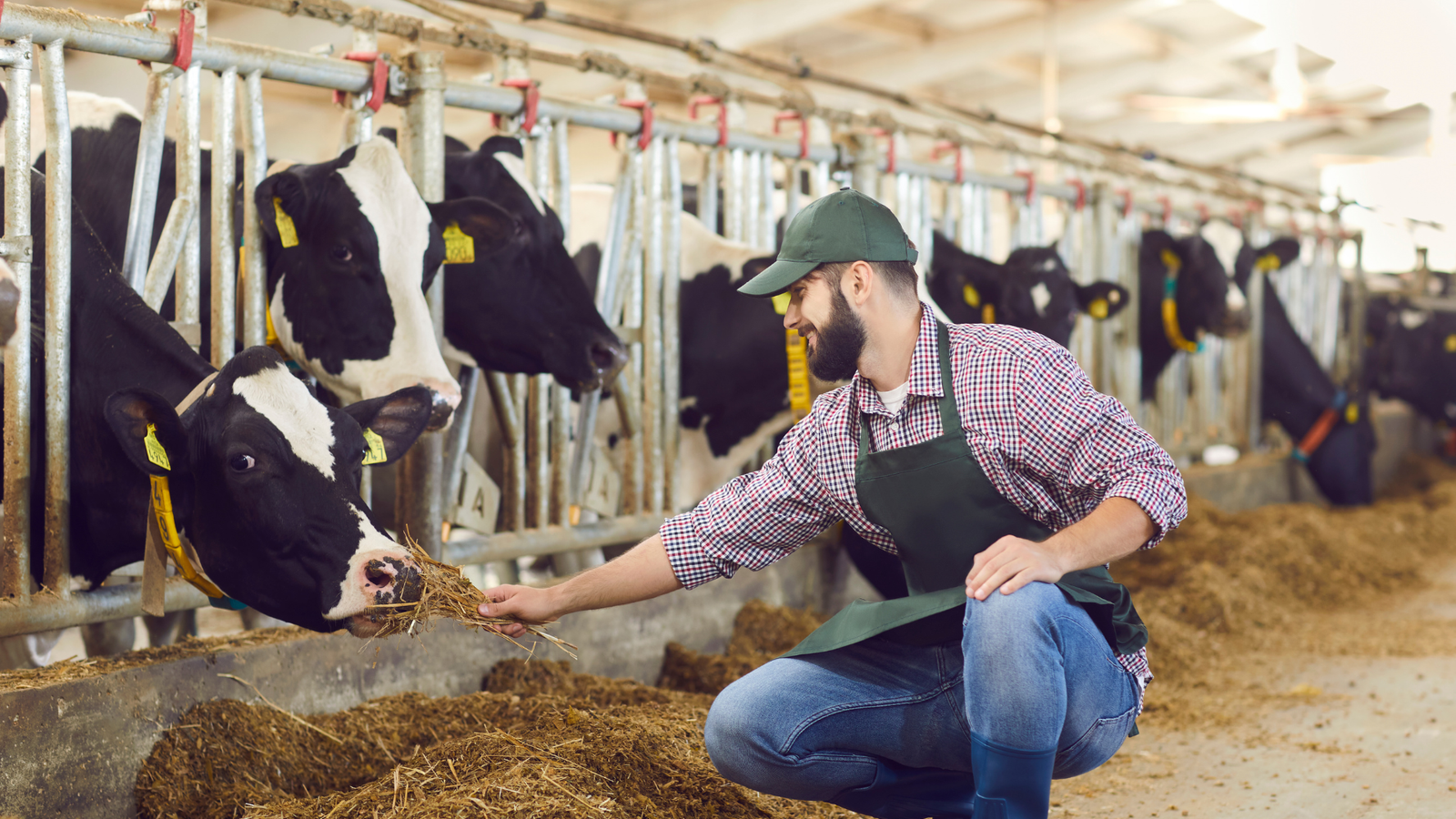
In today’s livestock industry, focusing only on feed quantity is no longer enough. Farmers, nutritionists, and feed manufacturers are shifting toward feed quality that works with the animal’s biology. This approach is known as smart nutrition, and it is making a clear difference in how livestock grow, stay healthy, and produce results.
Whether you manage poultry, dairy, or meat animals, feeding smarter can lead to stronger animals, fewer health problems, and higher profit margins. The aim is not just to keep animals alive but to help them reach their potential in a safe and cost-effective way.
Here’s how smart nutrition plays a key role in boosting animal performance and farm returns.
Feeding with a Purpose
Traditional feed often focuses on bulk. But smart nutrition focuses on purpose. Every ingredient is selected for what it can do inside the animal’s body. It’s about meeting real biological needs.
For example, a product like DL-Methionine helps build protein in the animal’s body. Another one like Di-Calcium Phosphate supports bone growth. A feed enriched with natural choline helps with liver function and fat metabolism. When animals receive the right inputs at the right time, they perform better without stress or disease.
This targeted feeding approach improves daily weight gain, muscle strength, and product quality, whether it is milk, eggs, or meat.
Better Feed Conversion Means Better Profits
Feed Conversion Ratio, or FCR, tells how much feed is needed to produce one unit of animal weight. A poor FCR means more feed is wasted. A good FCR means less feed is used and more weight is gained.
For instance, when animals get the right amount of methionine, they digest protein better and retain it. This means the same feed gives better body mass. That helps farmers lower their feed bills while improving returns.
Better FCR is not just good for money. It also reduces the pressure on natural resources and supports sustainable farming practices.
Gut Health Is the Foundation
The gut is where digestion happens. It is also the center of immunity. When the gut is healthy, the animal absorbs nutrients better and stays protected from common infections.
Veterinary probiotics play a big role here. They help build a healthy gut microbiome and reduce harmful bacteria. This makes animals more efficient in digestion and improves their disease resistance naturally.
Using the right strains of probiotics for each species can reduce the need for antibiotics. That makes the entire production system safer for the animal and for the people who consume the final product.
Toxin Control and Feed Stability
Many feed losses happen due to contamination. Mold and moisture can damage stored feed and introduce toxins like aflatoxins. These toxins can lower growth, damage internal organs, and even kill animals in severe cases.
This is where toxin binders come in. They trap harmful substances in the digestive system and prevent them from entering the bloodstream. At the same time, pellet binders improve feed texture, make it easier to handle, and reduce waste during transport or storage.
Together, these ingredients protect feed value and ensure the animal gets full benefit from every bite.
Targeted Nutrition for Every Stage
Each animal has changing needs depending on its stage of life. Young animals need energy for growth. Breeding animals need nutrients for reproduction. Animals under stress need support for recovery.
Smart nutrition focuses on creating feed supplements that are specific to these stages. Electrolytes help during dehydration. Liver tonics support animals under antibiotic therapy. Multivitamins reduce stress during transport or vaccination. Every product has a role.
Farmers who use life-stage specific supplements often report fewer health issues and higher productivity throughout the year.
Building Stronger Animals for the Long Term
An animal raised on poor feed may survive, but it will always be more prone to disease and stress. That means more treatment costs, more losses, and weaker returns.
Animals raised on well-balanced feed are stronger from within. Their immune response is sharper, recovery is faster, and performance is stable even under climate stress. In breeding animals, smart nutrition improves fertility and birth outcomes. In dairy animals, it improves milk yield and quality.
Over time, these gains add up. The herd or flock becomes more productive, with fewer interventions required.
Quality Feed Is an Investment, Not an Expense
Some farmers hesitate to use premium feed supplements because of price. But what seems expensive on day one often turns out to be cheaper in the long run.
A well-formulated vitamin premix may cost a little more, but it can reduce medicine costs, vet visits, and loss due to illness. A probiotic may cost extra per kilo, but it can prevent digestive issues and weight loss during stress.
When measured across one production cycle, smart nutrition leads to better growth, higher quality outputs, and lower costs per unit of weight or volume.
Results Seen Across Geographies
Feed brands that focus on smart nutrition, like Keen Anivet, have shown visible success across the Middle East, Africa, and Asia.
Broiler farms in the UAE have reported better feed efficiency. Dairy farms in Kenya saw improved milk yield with targeted mineral blends. Egg producers in Bangladesh reduced cracked eggs and improved shell thickness with the right calcium and DCP supplements.
These improvements were not the result of one miracle product, but the result of feeding smarter at every stage.
Final Thoughts
Animal farming is changing. Markets are demanding higher quality, and regulations are getting stricter. Antibiotic use is being reduced. Health standards are rising. To stay competitive, farms must focus not only on what animals eat, but how that feed supports their full performance.
Smart nutrition offers a clear way forward. It is not just about meeting basic needs. It is about improving every aspect of the animal’s life — digestion, immunity, growth, and resilience. When feed works better, everything else falls into place.
For farms and feed distributors, now is the time to look beyond traditional formulations and invest in feeds that deliver visible results. Because when animals do well, the business does well.